
MUSCLE STRAIN VS. SPRAIN: WHAT’S THE DIFFERENCE?
Strain vs sprain—both can cause pain, swelling, and limit your movement. It’s no wonder that it’s easy to confuse a muscle strain with a sprain, but the key difference is that a strain impacts muscles or tendons, while a sprain involves ligaments. Both types of injuries are common and often caused by sports or everyday activities, but there are differences, particularly in the areas of the body they tend to affect. In this guide, we’ll help you recognize the difference between strains and sprains and explore ways to ease the discomfort while they heal.
What Is a Muscle Strain?
A muscle strain—also known as a pulled muscle—happens when muscle fibers or tendons get overstretched or torn. It's one of the most common soft tissue injuries out there, and it can range anywhere from mild discomfort that fades in a few days to severe pain that stops you in your tracks and has a more complex recovery. Strained muscles tend to show up in areas that work hard and get pushed to their limits, like the hamstrings, lower back, and calves. In more serious cases, a strain can result in a muscle tear—where the fibers are significantly damaged—which may require more intensive care and a longer recovery timeline.1
What Causes a Muscle Strain?
Muscle strains can happen in an instant or build up gradually over time. When a strain occurs, the muscle fibers are physically stretched beyond their limits—and in more serious cases, those fibers can partially or fully tear, disrupting the muscle's structure and triggering pain, swelling, and weakness. Here are some of the most common causes:
- Overstretching: Pushing your muscles beyond their natural range of motion.
- Sudden movements: Sprinting, twisting, or jumping can put your muscles under serious stress in a split second.
- Overuse: Repeating the same motion day after day without enough rest can wear your muscles down over time.
- Improper lifting: Using poor form when lifting heavy objects puts strain on muscles that aren't prepared to handle the load.
- Inadequate warm-up: Jumping into physical activity without preparing your muscles first is a fast track to injury.
- Sports injuries: Contact sports, high-impact activities, and sudden changes in direction can push muscles past their limits—making strained muscles one of the most common injuries among athletes.
- Fatigue: Tired muscles lose their ability to absorb force and protect themselves, making them more vulnerable to injury.1
Muscle Strain Symptoms
Knowing what a muscle strain feels like can make all the difference in how you respond to it. If you've strained a muscle, you'll likely feel soreness when you try to use it—and you can usually pinpoint the pain to one specific spot. With an acute strain, the pain hits immediately and may even feel like the muscle is tearing. With a chronic strain, discomfort may build gradually over a few days. Either way, the muscle may feel noticeably weaker, and in some cases, it might feel like you can't use it at all.
Here are the key strain symptoms to watch for:
- Pain, often localized to one spot.
- Muscle spasms or cramping.
- Swelling and bruising.
- Weakness or difficulty using the affected muscle.
- Limited range of motion.
- In severe cases, a visible gap in the muscle or a “popping” sensation during the injury1
Muscle Strain Grades
Muscle strains are categorized into three grades based on severity1:
| Grade 1 |
| Mild strain with minor damage, no muscle tear. |
| Grade 2 |
| Moderate strain with partial muscle tearing, affecting strength and motion. |
| Grade 3 |
| Severe strain with complete muscle tear, often requiring surgery. |
How to Treat a Muscle Strain
Although it can sometimes be tempting to try and ‘push through’ an injury, it’s important to know how to treat a muscle strain properly to give your body the care it needs to heal. Here’s a step-by-step approach:

Ice:
Apply ice during the first 8 hours to reduce swelling. Use a barrier to protect your skin and limit sessions to 10–20 minutes every 1–2 hours.

Rest:
Avoid stressing the injured muscle for a few days, but gradually reintroduce movement as pain decreases.2

Pain Relief:
Over-the-counter anti-inflammatory medications can help manage discomfort. Topical pain relief creams and rubs, like Icy Hot®, can also be used to help to relieve pain.

Physical Support:
Crutches or braces may be needed for lower-body strains.

Rehabilitation:
Severe strains might require physical therapy to regain strength and flexibility.1

What Is a Sprain?
A sprain happens when ligaments—the tough, fibrous tissues that connect bones to each other—are stretched too far or torn. Unlike strains, which affect muscles and tendons, sprains are all about the joints and ligaments. And because our joints take on so much stress during movement, sprains are one of the most common injuries around.
Sprains tend to show up in high-movement areas like the ankles, knees, and wrists—places that absorb a lot of force and can shift in unexpected directions. Rolling your ankle mid-run or landing awkwardly after a jump? That's a classic sprain in action. It can happen fast, often before you even realize something's gone wrong.4
A sprain is often colloquially referred to as a “muscle sprain”, however sprains are ligament injuries and not muscle related.
What Causes a Sprain?
Sprains can happen to just about anyone, and they're usually triggered by a handful of familiar situations. Some of the most common causes include:
- Sudden twists or impacts: Rolling an ankle or falling awkwardly.
- Overuse: Repetitive motions that strain a joint.
- Sports injuries: High-impact activities like basketball or soccer.
- Slips and falls: Catching yourself suddenly can overstretch ligaments4
Sprain Symptoms
Sprain symptoms may feel similar to strains, but they tend to center around the affected joint:
- Pain and tenderness.
- Swelling and bruising.
- Joint instability or difficulty bearing weight.
- Reduced range of motion4
How to Treat a Sprain
If you've read through how to treat a strain, some of this might sound familiar—and that's because there's quite a bit of overlap. Sprains and strains share some common treatment approaches, especially in those first crucial hours. The key difference is that with a sprain, the focus shifts to stabilizing and protecting the affected joint. Here's what recovery may look like:
Ice:
Applying ice to the area in the first 48 hours may help ease swelling and discomfort.
Rest:
Give the affected joint a break—avoid putting weight on it for a couple of days, as this may help prevent further injury. Then build up movement slowly to keep the area mobile.2

Heat Therapy:
After 48 hours, apply gentle heat to relax the area.3
Braces or Splints:
To stabilize the joint.
Physical Therapy:
To rebuild strength and mobility.4
Read more about sprains and how to treat them here.
Icy Hot® is the No.1 topical pain reliever brand in the US*. Ice + Heat Therapy** gets to work fast on muscles and joints to provide powerful relief from pain.
Strain vs. Sprain: Key Differences
While strains and sprains share similarities, understanding their differences can guide treatment. See the table below for a rough guide on strains vs sprains.5
| Strains | Sprains | |
| Definition of injury | Caused by overstretching or tearing a muscle or tendon. | Caused by overstretching or tearing a ligament. |
| Areas affected | Commonly affects neck, back, and hamstrings. | Commonly affects ankles, knees, and wrists. |
| Common causes | Often caused by overexertion or improper technique. | Often caused by a rolled ankle or a sudden slip. |
When to See a Doctor
Most strains and sprains respond well to home care, but it may be time to see a doctor if:
- Pain is severe or worsening.
- You can’t move the affected area.
- There’s significant swelling or bruising.
- Symptoms persist beyond a few days.
- You experience numbness or tingling, which could indicate nerve damage1
FAQs about the difference between strains and sprains
Is a pulled muscle a strain or a sprain?
A pulled muscle is another term for a muscle strain. It involves overstretching or tearing muscle fibers, not ligaments.1
How long does a muscle strain take to heal?
Strain recovery time can vary quite a bit depending on how severe the strain is. Below is a rough guide:
- Grade 1 muscle strain: A few weeks.
- Grade 2 muscle strain: Several weeks to months.
- Grade 3 muscle strain: Up to six months, often requiring surgery.
How do you treat a pulled muscle at home?
Home treatment for a pulled muscle includes applying ice in the first eight hours to help reduce swelling, resting the affected area for a couple of days, and using over-the-counter pain relievers to manage discomfort. A topical pain relief solution like Icy Hot® can help provide targeted relief from muscle pain.
RELATED PRODUCTS
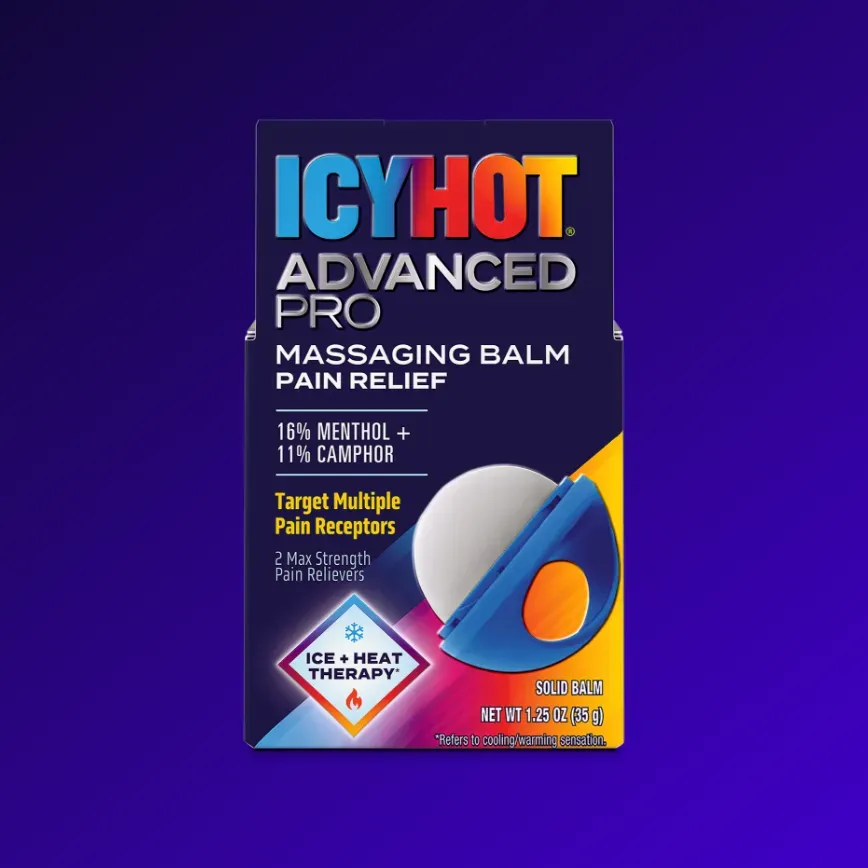
PRO Massaging Balm
- HSA/FSA
- PRO
- No-Mess
- Balm
- Menthol
- Back Pain Relief
Icy Hot® PRO Pain Relief Massaging Balm delivers fast, targeted relief with two maximum-strength ingredients that work on more pain points.**
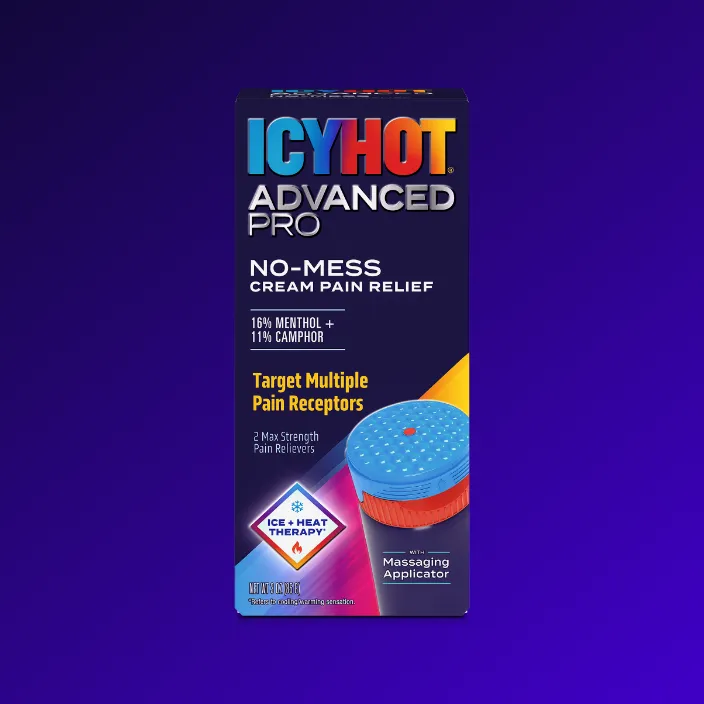
PRO No Mess
- PRO
- No-Mess
- Roll On
- Menthol
- Back Pain Relief
Get fast-acting, next-level pain relief** with Icy Hot® PRO No-Mess.
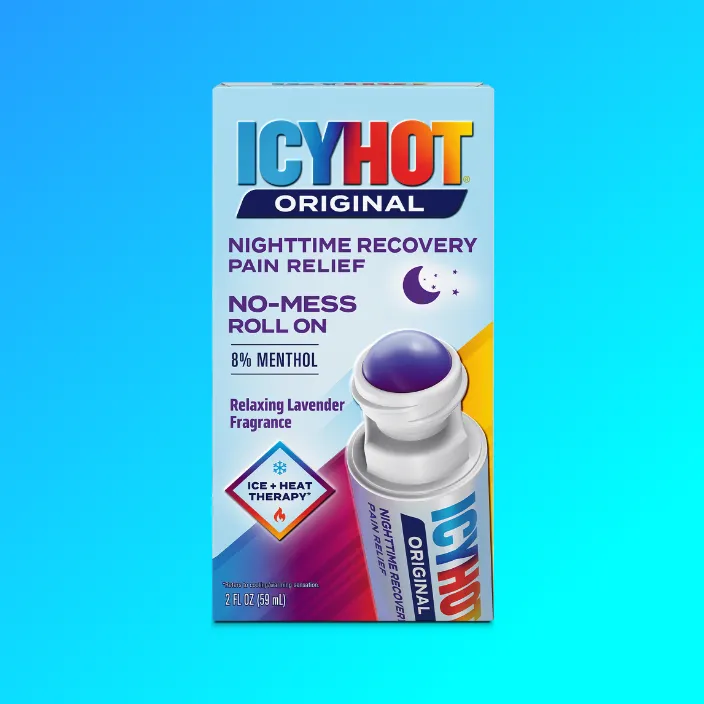
Nighttime Recovery No-Mess
- HSA/FSA
- Nighttime
- No-Mess
- Roll On
- Menthol
It’s the fast-acting, targeted pain relief you love, infused with a crafted fragrance blend of lavender and eucalyptus to help you unwind before bed.
RELATED ARTICLES


**Among OTC Topical Analgesics
**Refers to cooling and warming sensations
Sources:
- Cleveland Clinic. Muscle strain: causes, symptoms, treatment & recovery [Internet]. Cleveland (OH): Cleveland Clinic; 2025 Feb 18 [cited 2026 May 27]. Available from: https://my.clevelandclinic.org/health/diseases/22336-muscle-strains#management-and-treatment
- Cleveland Clinic. RICE method: rest, ice, compression, & elevation [Internet]. Cleveland (OH): Cleveland Clinic; 2025 Jan 24 [cited 2026 May 27]. Available from: https://my.clevelandclinic.org/health/treatments/rice-method
- Gloucestershire Hospitals NHS Foundation Trust. Ice and heat treatment [Internet]. Gloucester (UK): Gloucestershire Hospitals NHS Foundation Trust; 2025 Feb [cited 2026 May 27]. Available from: https://www.gloshospitals.nhs.uk/your-visit/patient-information-leaflets/ice-and-heat-treatment
- Cleveland Clinic. Sprains: types, symptoms & treatment [Internet]. Cleveland (OH): Cleveland Clinic; 2023 Sep 20 [cited 2026 May 27]. Available from: https://my.clevelandclinic.org/health/diseases/sprains
- Mass General Brigham. Sprains vs. strains: what's the difference? [Internet]. Somerville (MA): Mass General Brigham; 2025 Jul 21 [cited 2026 May 27]. Available from: https://www.massgeneralbrigham.org/en/about/newsroom/articles/sprains-and-strains
Note: Use all products only as directed. Icy Hot® products containing counterirritants are indicated for temporary relief of minor aches and pains of muscles and joints associated with: arthritis, simple backache, strains, sprains, bruises. Icy Hot® products containing Lidocaine are indicated for the temporary relief of pain. For questions about your specific situation, talk to your healthcare provider for further advice.